
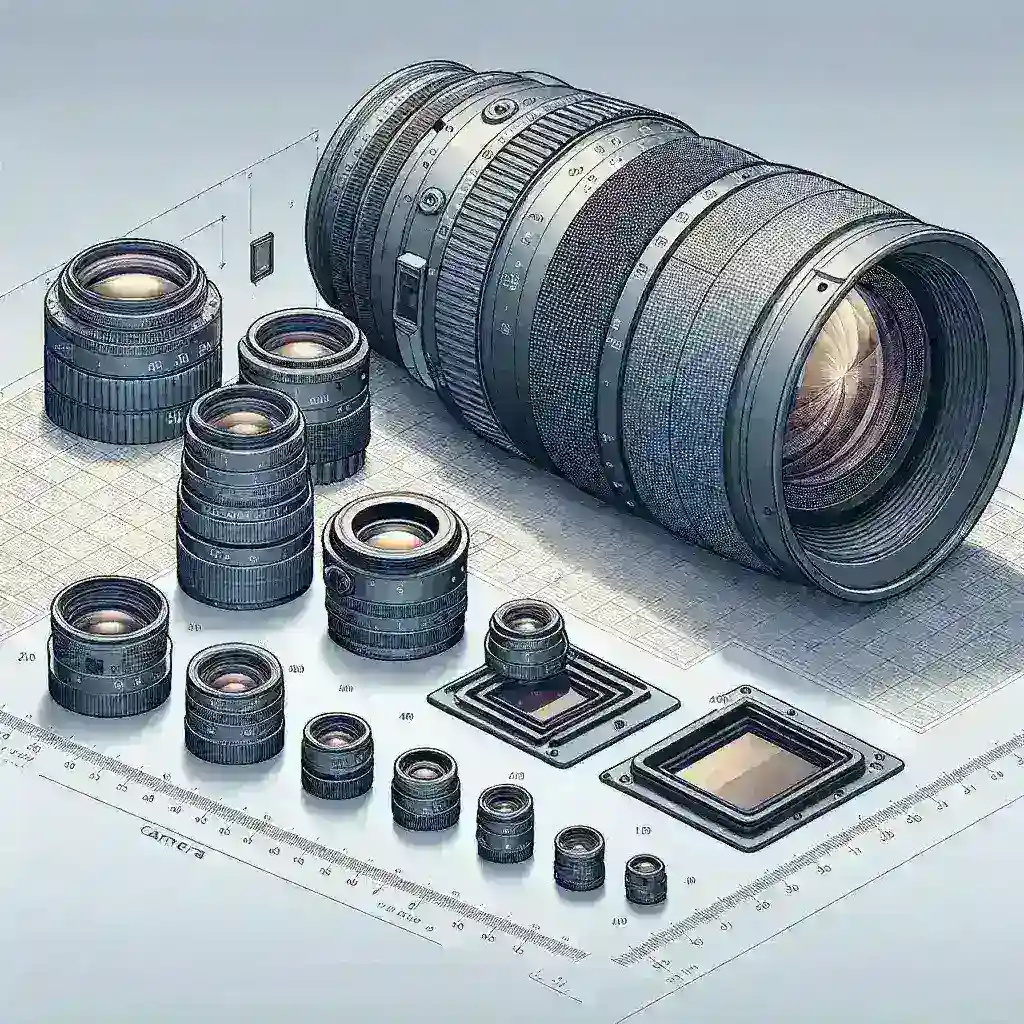
Understanding Camera Sensors
The camera sensor is a vital component of digital photography, responsible for converting light into electrical signals. In essence, it captures the details of the image you see through the lens. While many consumers focus predominantly on megapixel counts when choosing a camera, the size of the sensor is often a far more significant factor in determining image quality.
The Basics of Sensor Size
Camera sensors come in various sizes, commonly classified as full-frame, APS-C, Micro Four Thirds, and 1-inch sensors, among others. Each of these sizes has distinct characteristics that can impact the final image quality.
- Full-Frame Sensor: Typically 36mm x 24mm, this size is equivalent to a 35mm film frame and is favored by professional photographers for its superior low-light performance and depth of field control.
- APS-C Sensor: Measuring around 22mm x 15mm, APS-C sensors are standard in many consumer and prosumer cameras. They offer a good balance between image quality and affordability.
- Micro Four Thirds: These sensors are smaller, measuring about 17mm x 13mm, and are common in mirrorless cameras. They provide a more compact design but may struggle in low-light conditions.
- 1-Inch Sensor: Common in compact cameras and some smartphones, these sensors are typically 13.2mm x 8.8mm, offering decent quality in a small package.
Why Sensor Size Matters More Than Megapixels
While it’s tempting to equate higher megapixel counts with better quality, the truth is that sensor size plays a more pivotal role in capturing detail and producing vibrant images. Here’s why:
1. Light Sensitivity
Sensor size directly influences its ability to capture light. Larger sensors have bigger pixels, which can gather more light. This increased sensitivity enhances low-light performance, resulting in cleaner images with less noise.
2. Depth of Field
Depth of field refers to the amount of the scene that appears in focus. Larger sensors allow for a shallower depth of field, enabling photographers to create stunning bokeh effects, isolating subjects with beautiful background blur.
3. Dynamic Range
A larger sensor usually means a wider dynamic range, allowing the camera to capture more detail in highlight and shadow areas. This is crucial when photographing scenes with high contrast, such as sunsets or bright landscapes.
4. Image Quality
Simply put, larger sensors generally produce better image quality. They can handle more detail and maintain clarity at higher ISO settings, making them preferable for professional work.
Comparing Megapixels vs. Sensor Size
To further illustrate the difference between sensor size and megapixels, let’s explore a practical example. Consider two cameras, one with a full-frame sensor at 24 megapixels and another with an APS-C sensor at 36 megapixels:
- The full-frame camera will likely produce better image quality due to its larger sensor collecting more light, despite having fewer megapixels.
- In low-light scenarios, the full-frame sensor will outperform the APS-C sensor, yielding cleaner and more detailed images.
Historical Context
Historically, the shift from film to digital photography brought significant advancements in sensor technology. Early digital cameras had much smaller sensors, leading to limitations in quality compared to their film counterparts. As technology progressed, larger sensors became available, leading to a renaissance in professional photography that prioritized sensor size alongside resolution.
Future Predictions
As technology continues to evolve, we can expect manufacturers to innovate in sensor design and size. The introduction of larger sensors in consumer-level cameras is already making waves, and advancements in materials and technology may lead to even more compact yet powerful sensors in the future.
Pros and Cons of Different Sensor Sizes
Full-Frame Sensors
- Pros: Superior image quality, better low-light performance, and wider dynamic range.
- Cons: Higher cost and larger, heavier camera bodies.
APS-C Sensors
- Pros: Good balance of price, size, and image quality. Ideal for enthusiasts.
- Cons: Limited low-light performance compared to full-frame.
Micro Four Thirds
- Pros: Compact and lightweight, making them great for travel photography.
- Cons: Struggles in low-light situations.
1-Inch Sensors
- Pros: Excellent for compact cameras with decent image quality.
- Cons: Limited versatility compared to larger sensors.
Real Examples
Many professional photographers have shared their experiences with sensor sizes. For instance, landscape photographer Michael Kenna often uses a full-frame camera to capture the intricate details of his subjects, while wedding photographers appreciate the versatility of APS-C sensors for various lighting conditions.
Conclusion
In conclusion, while megapixels do play a role in image quality, the size of the camera sensor is a more critical factor that photographers should consider. Whether you are a professional or an enthusiastic hobbyist, understanding the implications of sensor size can lead to more informed purchasing decisions and ultimately better photographs. As camera technology continues to evolve, prioritizing sensor size will ensure you capture stunning images that stand the test of time.